I previously published a post about Facebook's practice of deleting nursing photos and accounts of women who have them on their Facebook page. I asked for more information on how to take a proactive stand against this practice. Today I learned of another way to become involved in the attempt to convince Facebook to change their policy.
On Monday the 15th of November there will be a Facebook Nurse-In. Facebook members are encouraged to post a breastfeeding picture as their profile picture or, if they are not comfortable with doing so or have no pictures to share, to post the breastfeeding logo as their profile picture.
I encourage all Facebook members to take a stand and participate in the nurse-in. At it's simplest it will take about five minutes out of your day. If you wish to be more involved please see my previous post that lists various ways you can take action.
More information on the Facebook Nurse-In.
My previous post: Facebook Deletes Breastfeeding Photos Take Action.
Showing posts with label breastfeeding. Show all posts
Showing posts with label breastfeeding. Show all posts
Saturday, November 13, 2010

Thursday, September 30, 2010
Breastfeeding: Waking a Sleeping Baby
My daughter was born three weeks early and had a case of "sleepy baby syndrome". She slept all the time, even through feedings. So we were told to wake her up for her feedings and to keep her awake during them. I can tell you that it wasn't an easy task. However, I did learn a few tips that I can pass onto you.
Before giving sleepy baby advice I want to give a couple additional helpful tips. What I want to say first is that if your baby is losing weight because of "sleepy baby syndrome" then you need to be careful about how often you are feeding your infant. Make sure to wake baby quite strictly every 2-2.5 hours from the *beginning* of the last feeding. Also keep in mind that you can supplement baby with pumped breastmilk using a syringe or spoon if needed. You do not have to use formula as breastmilk is higher in calories than formula anyhow. Sometimes a Pediatrician will push formula as the solution to this problem but I can promise you there are many other options. Additionally you are typically allowed one 4 hour stretch of sleep at night.
Waking a Sleepy Baby and Keeping Baby Awake while Breastfeeding:
1. Change baby's diaper. This is always the best first thing to try. It often works and it is nice to keep a fresh diaper on a new infant anyhow.
2. Hold baby upright and rub baby's back.
3. Strip baby down to diaper.
4. Gently scratch or rub baby's head, ears, feet, or back.
5. While feeding use breast compressions. This is where you squeeze your breast above the areola, gently and in slow repetitions.
6. If all these steps fail you can put a damp washcloth or diaper wipe on baby's feet.
7. When every step above fails some parents resort to washing baby's face with cool water. This is something that only should be resorted to after you have repeatedly tried the above steps. It is not pleasant for baby and is only a last resort.
Before giving sleepy baby advice I want to give a couple additional helpful tips. What I want to say first is that if your baby is losing weight because of "sleepy baby syndrome" then you need to be careful about how often you are feeding your infant. Make sure to wake baby quite strictly every 2-2.5 hours from the *beginning* of the last feeding. Also keep in mind that you can supplement baby with pumped breastmilk using a syringe or spoon if needed. You do not have to use formula as breastmilk is higher in calories than formula anyhow. Sometimes a Pediatrician will push formula as the solution to this problem but I can promise you there are many other options. Additionally you are typically allowed one 4 hour stretch of sleep at night.
Waking a Sleepy Baby and Keeping Baby Awake while Breastfeeding:
1. Change baby's diaper. This is always the best first thing to try. It often works and it is nice to keep a fresh diaper on a new infant anyhow.
2. Hold baby upright and rub baby's back.
3. Strip baby down to diaper.
4. Gently scratch or rub baby's head, ears, feet, or back.
5. While feeding use breast compressions. This is where you squeeze your breast above the areola, gently and in slow repetitions.
6. If all these steps fail you can put a damp washcloth or diaper wipe on baby's feet.
7. When every step above fails some parents resort to washing baby's face with cool water. This is something that only should be resorted to after you have repeatedly tried the above steps. It is not pleasant for baby and is only a last resort.
Take Action: Facebook deletes breastfeeding photos
Facebook is one of the leading social networking sites. Currently Facebook has over 500 million active users and approximately fifty percent of those users log in daily. It is far reaching. I admit that I enjoy Facebook tremendously.
This social networking site may be fun and a pleasure to use but they endorse a practice that is highly deserving of admonishment. I have considered deleting my Facebook account several times due to this practice but would prefer a more proactive approach. They delete pictures of women breastfeeding if any areola or nipple is showing in the picture. Additionally they delete entire profile's of women in some circumstances for having these types of pictures.
These pictures are on personal sites. So the only people that are seeing them are people who choose to look at your pictures. Additionally they are on Facebook groups so once again are only seen by people who choose to join a group and look at the pictures. They are not innocently stumbled upon and they are not put in the face of the general population. There is no legitimate reason these pictures should be deleted.
Here is the statement by Facebook on this policy:
"We agree that breastfeeding is natural and beautiful and we’re very glad to know that it is so important to some mothers to share this experience with others on Facebook. We take no action on the vast majority of breastfeeding photos because they follow the site’s Terms of Use. Photos containing a fully exposed breast (as defined by showing the nipple or areola) do violate those Terms and may be removed. These policies are designed to ensure Facebook remains a safe, secure and trusted environment for all users, including the many children (over the age of 13) who use the site."
The idea that exposure of the breast when breastfeeding is somehow unsafe or insecure is really quite disgusting and practically it is unfounded. This is coming from a site who regularly allows pictures of women in bikinis, thongs, and doing all sorts of socially questionable activities. This site also allows pictures of artificial nipples because what else is bottle other than an artificial nipple?
Forget the morality of the issue for a minute though. Public breastfeeding is protected by law in all but two states within the United States. Women have a legal right to have pictures of them nurturing and comforting their child at the breast.
Take Action:
1. Include breastfeeding photos in your Facebook photo albums.
2. Do not put up with people reporting your pictures. Make it clear that if someone reports one of your breastfeeding pictures, no matter who they are, they will no longer be a friend on your Facebook account. The majority of photos deleted have been reported to Facebook by someone with access to those photos.
3. Join this Facebook group which is aimed at letting Facebook know that it's members do not agree with their policy. "Hey Facebook, breastfeeding is not obscene!"
4. Contact Facebook and let them know that you do not support their policy. The more of us that do this the better. You can do this by sending Mark Zuckerberg a private message directly. If you have other ways of contacting Facebook on this matter please let me know.
5. Make this a point on your own blog or website. Ask your friends to do the same. Let's make a big deal out of this!
If you have additional ways we can make a call to action against Facebook in this regard please leave them in the comments section.
Facebook Statistics Source
Facebook's Policy on Breastfeeding Pictures Source
This social networking site may be fun and a pleasure to use but they endorse a practice that is highly deserving of admonishment. I have considered deleting my Facebook account several times due to this practice but would prefer a more proactive approach. They delete pictures of women breastfeeding if any areola or nipple is showing in the picture. Additionally they delete entire profile's of women in some circumstances for having these types of pictures.
These pictures are on personal sites. So the only people that are seeing them are people who choose to look at your pictures. Additionally they are on Facebook groups so once again are only seen by people who choose to join a group and look at the pictures. They are not innocently stumbled upon and they are not put in the face of the general population. There is no legitimate reason these pictures should be deleted.
Here is the statement by Facebook on this policy:
"We agree that breastfeeding is natural and beautiful and we’re very glad to know that it is so important to some mothers to share this experience with others on Facebook. We take no action on the vast majority of breastfeeding photos because they follow the site’s Terms of Use. Photos containing a fully exposed breast (as defined by showing the nipple or areola) do violate those Terms and may be removed. These policies are designed to ensure Facebook remains a safe, secure and trusted environment for all users, including the many children (over the age of 13) who use the site."
The idea that exposure of the breast when breastfeeding is somehow unsafe or insecure is really quite disgusting and practically it is unfounded. This is coming from a site who regularly allows pictures of women in bikinis, thongs, and doing all sorts of socially questionable activities. This site also allows pictures of artificial nipples because what else is bottle other than an artificial nipple?
Forget the morality of the issue for a minute though. Public breastfeeding is protected by law in all but two states within the United States. Women have a legal right to have pictures of them nurturing and comforting their child at the breast.
Take Action:
1. Include breastfeeding photos in your Facebook photo albums.
2. Do not put up with people reporting your pictures. Make it clear that if someone reports one of your breastfeeding pictures, no matter who they are, they will no longer be a friend on your Facebook account. The majority of photos deleted have been reported to Facebook by someone with access to those photos.
3. Join this Facebook group which is aimed at letting Facebook know that it's members do not agree with their policy. "Hey Facebook, breastfeeding is not obscene!"
4. Contact Facebook and let them know that you do not support their policy. The more of us that do this the better. You can do this by sending Mark Zuckerberg a private message directly. If you have other ways of contacting Facebook on this matter please let me know.
5. Make this a point on your own blog or website. Ask your friends to do the same. Let's make a big deal out of this!
If you have additional ways we can make a call to action against Facebook in this regard please leave them in the comments section.
Facebook Statistics Source
Facebook's Policy on Breastfeeding Pictures Source
Wednesday, September 29, 2010
Breastfeeding: Lipase Solutions for Working Moms
If your milk tastes or smells odd after freezing and you are sure it hasn't had time to sour then you may be wondering what is wrong. Or perhaps you've already figured it out and are just looking for solutions.
Some mothers have an excessive amount of Lipase in their breastmilk. Lipase naturally occurs in all breast milk, just more so in some mothers. The indication of a lipase issue is that you freeze your milk properly and thaw it properly and after doing so your milk tastes bad. These tastes are often described as soapy, sour, or skunky. Milk with excessive lipase is okay to feed your infant but the problem occurs when a baby does not like the funny taste and thus refuses to drink it.
The proper way to deal with excessive lipase is to scald your milk before you freeze it.
How to Scald:
* Put your pumped or expressed breastmilk in a sauce pan and heat to approximately 180 F (82 C). This will generally be when you see little bubbles around the edge of the pan. Do not heat to a full rolling boil.
* Quickly cool and store the milk.
(caveat: some moms prefer to heat only to 160 because it is believed to leave a small amount more nutrients, for some mothers this will work and for some it will not).
It is a bit extra work to scald your milk but generally this method works and all is well. However if you are planning to return to work you may be wondering how you can possible deal with all these extra steps. Don't fret it can be done quite simply!

First however you need to run a couple of tests to find out what method will work for you.
Test #1: Express your milk and put it in the refrigerator. Test hourly for taste. How long does it take to turn sour?
The purpose of this test is to let you know how long it takes for your milk to start tasting bad. If it does not start tasting bad until well after 24 hours then you may not need to freeze your milk at all. You can simply pump and put it in the fridge for the next day.
Test #2: Express your milk and put it in the refrigerator for the same amount of time you'd be at work . Then scald the milk. Repeat first test.
The purpose of this test is to see if after scalding and freezing your milk will thaw without tasting bad. If you pass this test then you know that scalding will work for you. Go back to the findings of test one. Assess how long you will be at work. If you are going to be at work for 8 hours and your milk does not start tasting bad until 10 hours refrigerated then you can simply pump your milk at work, store it, and bring it home to scald.
m
Test #3: Repeat test two except heat milk to 160 F instead of 180 F or visa versa depending on where you started.
The purpose of this test is simply to see if you can heat to a lower amount as to possibly leave a few additional nutrients in your milk. Your breastmilk still has plenty of wonderful nutrients at 180 degrees, so this is an optional test.
Test #4: Use a bottle warmer to scald your milk. Most moms say this takes them a minute or two. You may need to experiment with this until you find the right way to scald your milk using this device.
If after completing the first three tests you realize your milk tastes bad quite shortly after pumping, if you have not scalded it, then you know you need to scald while at work. This is typically possible using a bottle warmer. After pumping at work then scald your milk using a bottle warmer then cool. Freeze when you get home.
Information obtained from kellymom.com and llli.org I am always open to corrections and feedback on additional ways to help tackle this issue.
Some mothers have an excessive amount of Lipase in their breastmilk. Lipase naturally occurs in all breast milk, just more so in some mothers. The indication of a lipase issue is that you freeze your milk properly and thaw it properly and after doing so your milk tastes bad. These tastes are often described as soapy, sour, or skunky. Milk with excessive lipase is okay to feed your infant but the problem occurs when a baby does not like the funny taste and thus refuses to drink it.
The proper way to deal with excessive lipase is to scald your milk before you freeze it.
How to Scald:
* Put your pumped or expressed breastmilk in a sauce pan and heat to approximately 180 F (82 C). This will generally be when you see little bubbles around the edge of the pan. Do not heat to a full rolling boil.
* Quickly cool and store the milk.
(caveat: some moms prefer to heat only to 160 because it is believed to leave a small amount more nutrients, for some mothers this will work and for some it will not).
It is a bit extra work to scald your milk but generally this method works and all is well. However if you are planning to return to work you may be wondering how you can possible deal with all these extra steps. Don't fret it can be done quite simply!
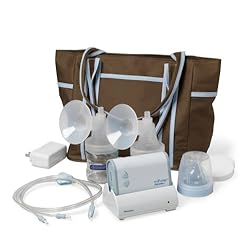
First however you need to run a couple of tests to find out what method will work for you.
Test #1: Express your milk and put it in the refrigerator. Test hourly for taste. How long does it take to turn sour?
The purpose of this test is to let you know how long it takes for your milk to start tasting bad. If it does not start tasting bad until well after 24 hours then you may not need to freeze your milk at all. You can simply pump and put it in the fridge for the next day.
Test #2: Express your milk and put it in the refrigerator for the same amount of time you'd be at work . Then scald the milk. Repeat first test.
The purpose of this test is to see if after scalding and freezing your milk will thaw without tasting bad. If you pass this test then you know that scalding will work for you. Go back to the findings of test one. Assess how long you will be at work. If you are going to be at work for 8 hours and your milk does not start tasting bad until 10 hours refrigerated then you can simply pump your milk at work, store it, and bring it home to scald.
m
Test #3: Repeat test two except heat milk to 160 F instead of 180 F or visa versa depending on where you started.
The purpose of this test is simply to see if you can heat to a lower amount as to possibly leave a few additional nutrients in your milk. Your breastmilk still has plenty of wonderful nutrients at 180 degrees, so this is an optional test.
Test #4: Use a bottle warmer to scald your milk. Most moms say this takes them a minute or two. You may need to experiment with this until you find the right way to scald your milk using this device.
If after completing the first three tests you realize your milk tastes bad quite shortly after pumping, if you have not scalded it, then you know you need to scald while at work. This is typically possible using a bottle warmer. After pumping at work then scald your milk using a bottle warmer then cool. Freeze when you get home.
Information obtained from kellymom.com and llli.org I am always open to corrections and feedback on additional ways to help tackle this issue.
Thursday, September 9, 2010
Breastfeeding: A Biting Baby!

Image from http://www.achildgrows.com
Ouch! S/he Bit Me!
One of the most predominant fears new moms have is how they are going to nurse when baby starts getting teeth. So when the first bite happens sometimes a bit of panic sets in, especially when baby thinks moms squeals of pain are super funny. I've got good news though. Not all moms will have a biting baby and those that do recover from it!
Here are my recommendations on dealing with a biting baby.
1. Assess for distractability. If biting is happening predominantly at the end of a nursing session then it is likely baby is just finished eating and is now using you as a "chew toy" so to speak. Delatch and let baby play. Or if baby is biting at the very beginning it could be that baby is in pain and doesn't really want to nurse or that you should take the measures in step 2. This also means allowing your baby to choose when to nurse. If you try to nurse LO when they aren't ready you are upping your chances for getting bit.
2. Assess for teething (which is the predominant reasons babies bite at the breast). If baby is teething then offer a cold or frozen washcloth before nursing. Or better yet put some ice in a mesh feeder or tied off baby sock. This will help the gums feel better and reduce the need for baby to chew on you.
3. When baby bites delatch. Every time. What seems to be the most affective delatching procedure for a biting baby is to pull baby into your breast so they have to delatch. You can alternatively stick a finger in baby's mouth to delatch.
4. Say a firm but gentle "No" or if you are trying not to use that word say "That Hurts" or "Ouch", anything as long as it is consistent. Verbal communication is important but must be followed through with action. Be aware of your tone when saying 'no', don't make it too playful or too scary.
5. Offer something for baby to bite on that is okay. They make teething bling you can wear around your neck. Redirect the biting to this or something else baby enjoys to bite. You might have to explore what that is. If you are comfortable offering a knuckle or finger that can help too.
6. Do not over react! This is very important. It probably doesn't seem like overreacting to you when you scream 'ouch' after baby bites because it really hurts. But if your baby is smiling or acting like this is fun then it was an overreaction. We don't want baby to think this is a game. Alternatively if your baby becomes upset at the thought of nursing you could have really scared them and now need to coax them back into it, very slowly and gently.
7. Encourage baby when s/he does not bite! Positive reinforcement is very important in teaching any lesson.
8. Have patience and be consistent. Stick to the routine and in time baby will get it. Don't give up too soon. Babies need time to learn. Usually about two weeks, sometimes shorter, if you've been consistent and you will see change. If not then re-asses what you are doing. Keep in mind that once teething is over this will likely end.
If your nipple becomes damaged from biting then please seek help from an IBCLC or your favorite La Leche Leader. You don't want nipple damage to stop you from nursing!
Keep in mind moms that this may be the first discipline measure you are taking with your child. You want it to be a positive experience for both you and set the tone for the future :).
If your nipple becomes damaged from biting then please seek help from an IBCLC or your favorite La Leche Leader. You don't want nipple damage to stop you from nursing!
Keep in mind moms that this may be the first discipline measure you are taking with your child. You want it to be a positive experience for both you and set the tone for the future :).
Here are my recommendations on dealing with a biting baby.
1. Assess for distractability. If biting is happening predominantly at the end of a nursing session then it is likely baby is just finished eating and is now using you as a "chew toy" so to speak. Delatch and let baby play. Or if baby is biting at the very beginning it could be that baby is in pain and doesn't really want to nurse or that you should take the measures in step 2. This also means allowing your baby to choose when to nurse. If you try to nurse LO when they aren't ready you are upping your chances for getting bit.
2. Assess for teething (which is the predominant reasons babies bite at the breast). If baby is teething then offer a cold or frozen washcloth before nursing. Or better yet put some ice in a mesh feeder or tied off baby sock. This will help the gums feel better and reduce the need for baby to chew on you.
3. When baby bites delatch. Every time. What seems to be the most affective delatching procedure for a biting baby is to pull baby into your breast so they have to delatch. You can alternatively stick a finger in baby's mouth to delatch.
4. Say a firm but gentle "No" or if you are trying not to use that word say "That Hurts" or "Ouch", anything as long as it is consistent. Verbal communication is important but must be followed through with action. Be aware of your tone when saying 'no', don't make it too playful or too scary.
5. Offer something for baby to bite on that is okay. They make teething bling you can wear around your neck. Redirect the biting to this or something else baby enjoys to bite. You might have to explore what that is. If you are comfortable offering a knuckle or finger that can help too.
6. Do not over react! This is very important. It probably doesn't seem like overreacting to you when you scream 'ouch' after baby bites because it really hurts. But if your baby is smiling or acting like this is fun then it was an overreaction. We don't want baby to think this is a game. Alternatively if your baby becomes upset at the thought of nursing you could have really scared them and now need to coax them back into it, very slowly and gently.
7. Encourage baby when s/he does not bite! Positive reinforcement is very important in teaching any lesson.
8. Have patience and be consistent. Stick to the routine and in time baby will get it. Don't give up too soon. Babies need time to learn. Usually about two weeks, sometimes shorter, if you've been consistent and you will see change. If not then re-asses what you are doing. Keep in mind that once teething is over this will likely end.
If your nipple becomes damaged from biting then please seek help from an IBCLC or your favorite La Leche Leader. You don't want nipple damage to stop you from nursing!
Keep in mind moms that this may be the first discipline measure you are taking with your child. You want it to be a positive experience for both you and set the tone for the future :).
If your nipple becomes damaged from biting then please seek help from an IBCLC or your favorite La Leche Leader. You don't want nipple damage to stop you from nursing!
Keep in mind moms that this may be the first discipline measure you are taking with your child. You want it to be a positive experience for both you and set the tone for the future :).
Edited 12/27/10 to remove elements of love-withdrawl
Monday, August 30, 2010
Breastfeeding: Feed Your Baby While Laying Down
Side Laying/Side Lying Position
The Side Laying position was one of the most difficult positions for me to learn but was by far the most rewarding. I discovered that it is difficult to learn for many moms but often a life-saver or rather a sleep-saver and sanity-saver. So after asking around a bit I've come up with a few side laying position tips. I encourage you to keep trying until you get this right, you will be amply rewarded! And keep in mind that the more head control your baby has the easier this position becomes.
 Thank you to Jenna for providing this picture~
Side Laying Position Tips:
1. Lay Tummy to Tummy - After awhile this can become more flexible with baby or you laying more towards your back, but when first starting out it is important to lay tummy to tummy. This means turning baby on his/her side while you are on your side.
2. Proper Arm Positioning - Most women like to put the arm they are laying on up over the baby's head while nursing. This also helps protect your pillow from scooting down to the babies head if you were to fall asleep while nursing. I prefer to prop baby's head on my arm. It also prevents the pillow problem and for me it is most comfortable.
3. Pull Baby In - Scoot baby into you. Once you are both laying down use your arm to pull baby in closer to you. For some moms tummy to tummy works the best and for others it works best when baby's legs are pulled into the tummy but there is a little room where the head is.
4. Room for Air - Think about what naturally causes baby's head to tip back. If you align your little one's nose tip with your nipple then it will cause baby to tilt head back some. This isn't necessary if you can work it out otherwise but is helpful to moms who are concerned about this issue.
4. Hold Your Breast - Some moms will need to hold their breast with the arm they are not laying on. I'm a "breast holder" and it works for us. If you have bigger breasts this might make the difference from being able to side lay comfortably and not being able to do so. I can even comfortably fall asleep while holding my breast so don't think it will deter you if that is what you would like to do.
5. The Switch - If your baby needs to switch breasts there are two methods you can easily use. One is to simply offer your second breast while laying on your side. This works mostly for women with bigger breasts. The other method is to grab baby with the arm you are laying on up onto your tummy then simply roll baby to the other side. It's actually quite fun and baby learns quickly this means s/he will be getting more milky.
6. Pillows - For some moms it can be more comfortable to put a pillow behind their back to support it while laying on their side. For others it makes things easier to put a pillow behind baby's back (although this can pose a safety issue if you are falling asleep).
7. Safety - If you are using the side laying position to help you co-sleep please follow safe co-sleeping practices. You can safe co-sleeping tips in many places, one of which is the book "Sleeping with Your Baby" by J. McKenna. Many moms will put their arm above baby's head or under baby's head to prevent baby from moving up into her pillows. And many moms will bend their knees under their baby to prevent baby from scooting down into the blankets.
If you have additional tips please add them in the comments section and at some point you may see them included in this post!

The Side Laying position was one of the most difficult positions for me to learn but was by far the most rewarding. I discovered that it is difficult to learn for many moms but often a life-saver or rather a sleep-saver and sanity-saver. So after asking around a bit I've come up with a few side laying position tips. I encourage you to keep trying until you get this right, you will be amply rewarded! And keep in mind that the more head control your baby has the easier this position becomes.
 Thank you to Jenna for providing this picture~
Side Laying Position Tips:
1. Lay Tummy to Tummy - After awhile this can become more flexible with baby or you laying more towards your back, but when first starting out it is important to lay tummy to tummy. This means turning baby on his/her side while you are on your side.
2. Proper Arm Positioning - Most women like to put the arm they are laying on up over the baby's head while nursing. This also helps protect your pillow from scooting down to the babies head if you were to fall asleep while nursing. I prefer to prop baby's head on my arm. It also prevents the pillow problem and for me it is most comfortable.
3. Pull Baby In - Scoot baby into you. Once you are both laying down use your arm to pull baby in closer to you. For some moms tummy to tummy works the best and for others it works best when baby's legs are pulled into the tummy but there is a little room where the head is.
4. Room for Air - Think about what naturally causes baby's head to tip back. If you align your little one's nose tip with your nipple then it will cause baby to tilt head back some. This isn't necessary if you can work it out otherwise but is helpful to moms who are concerned about this issue.
4. Hold Your Breast - Some moms will need to hold their breast with the arm they are not laying on. I'm a "breast holder" and it works for us. If you have bigger breasts this might make the difference from being able to side lay comfortably and not being able to do so. I can even comfortably fall asleep while holding my breast so don't think it will deter you if that is what you would like to do.
5. The Switch - If your baby needs to switch breasts there are two methods you can easily use. One is to simply offer your second breast while laying on your side. This works mostly for women with bigger breasts. The other method is to grab baby with the arm you are laying on up onto your tummy then simply roll baby to the other side. It's actually quite fun and baby learns quickly this means s/he will be getting more milky.
6. Pillows - For some moms it can be more comfortable to put a pillow behind their back to support it while laying on their side. For others it makes things easier to put a pillow behind baby's back (although this can pose a safety issue if you are falling asleep).
7. Safety - If you are using the side laying position to help you co-sleep please follow safe co-sleeping practices. You can safe co-sleeping tips in many places, one of which is the book "Sleeping with Your Baby" by J. McKenna. Many moms will put their arm above baby's head or under baby's head to prevent baby from moving up into her pillows. And many moms will bend their knees under their baby to prevent baby from scooting down into the blankets.
If you have additional tips please add them in the comments section and at some point you may see them included in this post!

Wednesday, August 11, 2010
Take Action: Write a letter to Oprah

I'm going to tell you something that morally confounds me. That is how much of an activist issue breastfeeding is. I consider myself a lactivist and am proud to be one. But it saddens me that there even needs to be breastfeeding activism. Breastfeeding is the most natural and nutritional thing we can do for our children. It is the first thing we teach them. Yet because of lack of support and education the breastfeeding rates in our country are astoundingly low. So we need to advocate for change! Perhaps one day breastfeeding will be normal again and the term lactivist will be long lost. Until then you'll see me doing whatever I can to support the cause of breastfeeding.
Most recently I have joined MamaPear Designs "Oprah Breastfeeding Blitz"! Really it's simple. You send an online letter to Oprah. Tell her how much of a difference it would make if she covered breastfeeding as one of the topics during her last year on air. Oprah has changed the face of what we consider "acceptable" conversation by covering topics that often go unspoken. Let breastfeeding be next on the list of dinner-table conversation. Let's get rid of the need for lactivism! Or at least help the wheel get rolling in the right direction.
Follow these three simple steps to get involved:
1. Read about MamaPear Designs "Oprah Breastfeeding Blitz"
2. Send Oprah a Letter
3. Go to Facebook and tell MamaPear Designs that you sent a letter
Note: I am not getting anything in return for writing this blog post. I was simply inspired to join their cause!
If you want some letter-writing inspiration here are some starter points that may help you get started:
a. Tell Oprah about your breastfeeding experience and how more support and/or education could have helped you.
b. Give Oprah facts about breastfeeding, rates of women who breastfeed vs. those who don't and/or the top reasons women give up breastfeeding.
c. Inspire Oprah! Provide her with a link to some breastfeeding art or an article you've written on breastfeeding.
d. Let Oprah know how her shows have impacted you and how you feel this topic could impact others.
Tuesday, August 10, 2010
Breastfeeding: Preparing to Breastfeed
Twelve Simple Tips to Help You Prepare to Breastfeed
 I was one of those gals who decided to breastfeed simply because I'm educated and knew it was more nutritious. I thought it would be natural and easy. To my surprise it was pretty hard and it was something we both had to learn how to do. I discovered that for many women it is hard in the beginning. Once we got past the hard parts I have come to LOVE nursing. It is bliss. It is probably the single best experience of my entire life. And so I'm an advocate, a lactivist. Below are resources I wish someone would have given me while pregnant. Of course there is an abundance of information I could provide but I have chosen my personal top twelve.
1. Read - "The Womanly Art of Breastfeeding". It is an amazing book on breastfeeding. You want to know this information because often times nurses in the hospital simply are uniformed and may try to scare you into giving formula. Not only that but it helps you have information on how to latch which is so important and hard to learn after giving birth exhaustion. I can promise you this information will be helpful. I cannot tell you how many times I referenced this book when first breastfeeding and wished I had read it before giving birth.
2. Read - "Breastfeeding Cafe". This book talks a bit of the politics of breastfeeding and is informational. But the real reason you should read it is because it is a compilation of real women's breastfeeding stories. If you read these you will have an idea on how to face BF challenges, what is normal, how other women manage night time feedings and going back to work. It is an abundance of real-time helpful information that is so easy to read because of the first person narratives.
3. Find - Your local LLL (llli.org). La Leche Leaders will help you with any breastfeeding issues that may arise. Not only that but you can meet other moms who BF in your area which is fun and supportive.
4. Find - An IBCLC in your area (not just an LC) that is free or accepts your insurance (or is otherwise affordable). Find a Lactation Consultant. Breastfeeding complications can arise and when they do too many women talk with the Pediatrician, a Nurse, an OB etc.. These people are quite often only educated about breastfeeding at a rudimentary level and more often than not give very poor advice. When you have an issue with breastfeeding it is important you see a specialist. That would be a lactation consultant. You can choose to see any lactation consultant but I recommend an IBCLC. This is an international certification that means you are getting someone very well trained and well experienced.
5. Watch - Newman's breastfeeding videos here: Newman Breastfeeding Clinic Videos . These videos will let you see what a good latch looks like. Latching is when baby attaches to the breast. It will let you see what a baby drinking vs. comfort sucking looks like which you will later know why it is important. There is nothing more valuable than actually seeing for yourself what these things look like.
6. Review - Newman's diagram on how to latch found here: When Latching . This is one of the most helpful diagrams I have seen on how to latch your baby. If you ever end up with nipple pain come back to this diagram and follow the steps. Pre-birth it is nice to know what a good latch consists of. I can tell you having several nurses come in and out of my room telling me a hundred different things was not helpful. I wish I would have reviewed this.
7. Become Familiar With - Kellymom.com. This website has researched based information on all things breastfeeding. If you have a question regarding breastfeeding, pumping, introducing solid foods etc.. you can find the information here. I check it several times a week when I have random or important questions.
8. Become Familiar With - Your local breastfeeding laws and the new federal pumping law: Breastfeeding laws.
9. Create - A birthplan and make multiple copies. Post up signs that say breastfeeding only if you are giving birth in a hospital or birthing center. If supplementation is required get a second opinion and choose donor milk over formula.
Your birth plan can have several breastfeeding components:
a. You plan to Breastfeed
b. You require breastfeeding to be initiated within the first hour of life
c. You want to see a lactation consultant after birth
d. You do not want formula, bottles, or binkies offered to your baby
e. That you understand some weight loss post birth is normal and you do not want pressured to feed your baby formula to return this weight too quickly.
f. That you understand milk comes in, on average, around day four so you do not want pressured to feel as if your milk is not coming in soon enough.
g. That if they feel your baby needs supplementing you want a prescription for donor milk and a second opinion.
h. That if your baby needs supplementing you want to use alternative feeding methods and not a bottle. Alternative Feeding Methods.
i. If you have a premature baby and are unable to breastfeed initially you want to have kanagroo care and provide pumped milk for your baby.
10. Watch - This video on extended nursing: Nursing Beyond One.
11. Become Familiar With - The "two shirt" method. This method will help you nurse in public more comfortably. Nursing in public can be done in baby steps but once you get the hang of it you will be more free to live life with your baby instead of staying trapped in your house. It is normal and natural. If using a cover works for you then please go ahead. Instead of using a cover you can use the "two shirt" method. Practice in front of a mirror if you would like to with a doll. This is the method: Wear two shirts. The bottom shirt should be a nursing tank or a tank that has stretch straps like a spaghetti strap tank or a V neck. When nursing pull up your top shirt and pull your bottom shirt down. Using this method you will be covered very well.
12. Don't - Get caught up in the supply myth. Very few women have a true inability to produce enough milk for their baby. Many women however feel their supply is not enough due to several reasons, one common reason is fussing at the breast because of their pumping output. Pumping output is NOT an indicator of supply and neither is fussing at the breast. The best indicator of low supply is that your baby is not having enough wet diapers during the day and possibly lack of weight gain.
From the American Academy of Pediatrics: "Because of difficulty in estimating the percentage of mothers whose milk supply is truly insufficient, data on the prevalence of insufficient milk supply among breastfeeding mothers are limited.However, in 4 studies of self-selected populations of women who decided to breastfeed exclusively for at least 3 to 4 months, [less than]5% of the
mothers were unable to produce enough milk to accomplish their infant’s weight gain.30–33 These results suggest that women’s perception of having a low milk supply might, in many cases, be attributable to their lack of knowledge regarding the normal process of lactation or to technical difficulties in feeding rather than to an actual inability to produce a sufficient quantity of milk."
 I was one of those gals who decided to breastfeed simply because I'm educated and knew it was more nutritious. I thought it would be natural and easy. To my surprise it was pretty hard and it was something we both had to learn how to do. I discovered that for many women it is hard in the beginning. Once we got past the hard parts I have come to LOVE nursing. It is bliss. It is probably the single best experience of my entire life. And so I'm an advocate, a lactivist. Below are resources I wish someone would have given me while pregnant. Of course there is an abundance of information I could provide but I have chosen my personal top twelve.
1. Read - "The Womanly Art of Breastfeeding". It is an amazing book on breastfeeding. You want to know this information because often times nurses in the hospital simply are uniformed and may try to scare you into giving formula. Not only that but it helps you have information on how to latch which is so important and hard to learn after giving birth exhaustion. I can promise you this information will be helpful. I cannot tell you how many times I referenced this book when first breastfeeding and wished I had read it before giving birth.
2. Read - "Breastfeeding Cafe". This book talks a bit of the politics of breastfeeding and is informational. But the real reason you should read it is because it is a compilation of real women's breastfeeding stories. If you read these you will have an idea on how to face BF challenges, what is normal, how other women manage night time feedings and going back to work. It is an abundance of real-time helpful information that is so easy to read because of the first person narratives.
3. Find - Your local LLL (llli.org). La Leche Leaders will help you with any breastfeeding issues that may arise. Not only that but you can meet other moms who BF in your area which is fun and supportive.
4. Find - An IBCLC in your area (not just an LC) that is free or accepts your insurance (or is otherwise affordable). Find a Lactation Consultant. Breastfeeding complications can arise and when they do too many women talk with the Pediatrician, a Nurse, an OB etc.. These people are quite often only educated about breastfeeding at a rudimentary level and more often than not give very poor advice. When you have an issue with breastfeeding it is important you see a specialist. That would be a lactation consultant. You can choose to see any lactation consultant but I recommend an IBCLC. This is an international certification that means you are getting someone very well trained and well experienced.
5. Watch - Newman's breastfeeding videos here: Newman Breastfeeding Clinic Videos . These videos will let you see what a good latch looks like. Latching is when baby attaches to the breast. It will let you see what a baby drinking vs. comfort sucking looks like which you will later know why it is important. There is nothing more valuable than actually seeing for yourself what these things look like.
6. Review - Newman's diagram on how to latch found here: When Latching . This is one of the most helpful diagrams I have seen on how to latch your baby. If you ever end up with nipple pain come back to this diagram and follow the steps. Pre-birth it is nice to know what a good latch consists of. I can tell you having several nurses come in and out of my room telling me a hundred different things was not helpful. I wish I would have reviewed this.
7. Become Familiar With - Kellymom.com. This website has researched based information on all things breastfeeding. If you have a question regarding breastfeeding, pumping, introducing solid foods etc.. you can find the information here. I check it several times a week when I have random or important questions.
8. Become Familiar With - Your local breastfeeding laws and the new federal pumping law: Breastfeeding laws.
9. Create - A birthplan and make multiple copies. Post up signs that say breastfeeding only if you are giving birth in a hospital or birthing center. If supplementation is required get a second opinion and choose donor milk over formula.
Your birth plan can have several breastfeeding components:
a. You plan to Breastfeed
b. You require breastfeeding to be initiated within the first hour of life
c. You want to see a lactation consultant after birth
d. You do not want formula, bottles, or binkies offered to your baby
e. That you understand some weight loss post birth is normal and you do not want pressured to feed your baby formula to return this weight too quickly.
f. That you understand milk comes in, on average, around day four so you do not want pressured to feel as if your milk is not coming in soon enough.
g. That if they feel your baby needs supplementing you want a prescription for donor milk and a second opinion.
h. That if your baby needs supplementing you want to use alternative feeding methods and not a bottle. Alternative Feeding Methods.
i. If you have a premature baby and are unable to breastfeed initially you want to have kanagroo care and provide pumped milk for your baby.
10. Watch - This video on extended nursing: Nursing Beyond One.
11. Become Familiar With - The "two shirt" method. This method will help you nurse in public more comfortably. Nursing in public can be done in baby steps but once you get the hang of it you will be more free to live life with your baby instead of staying trapped in your house. It is normal and natural. If using a cover works for you then please go ahead. Instead of using a cover you can use the "two shirt" method. Practice in front of a mirror if you would like to with a doll. This is the method: Wear two shirts. The bottom shirt should be a nursing tank or a tank that has stretch straps like a spaghetti strap tank or a V neck. When nursing pull up your top shirt and pull your bottom shirt down. Using this method you will be covered very well.
12. Don't - Get caught up in the supply myth. Very few women have a true inability to produce enough milk for their baby. Many women however feel their supply is not enough due to several reasons, one common reason is fussing at the breast because of their pumping output. Pumping output is NOT an indicator of supply and neither is fussing at the breast. The best indicator of low supply is that your baby is not having enough wet diapers during the day and possibly lack of weight gain.
From the American Academy of Pediatrics: "Because of difficulty in estimating the percentage of mothers whose milk supply is truly insufficient, data on the prevalence of insufficient milk supply among breastfeeding mothers are limited.However, in 4 studies of self-selected populations of women who decided to breastfeed exclusively for at least 3 to 4 months, [less than]5% of the
mothers were unable to produce enough milk to accomplish their infant’s weight gain.30–33 These results suggest that women’s perception of having a low milk supply might, in many cases, be attributable to their lack of knowledge regarding the normal process of lactation or to technical difficulties in feeding rather than to an actual inability to produce a sufficient quantity of milk."
Subscribe to:
Posts (Atom)